Updated October 2026 · Reviewed for current Texas market ranges
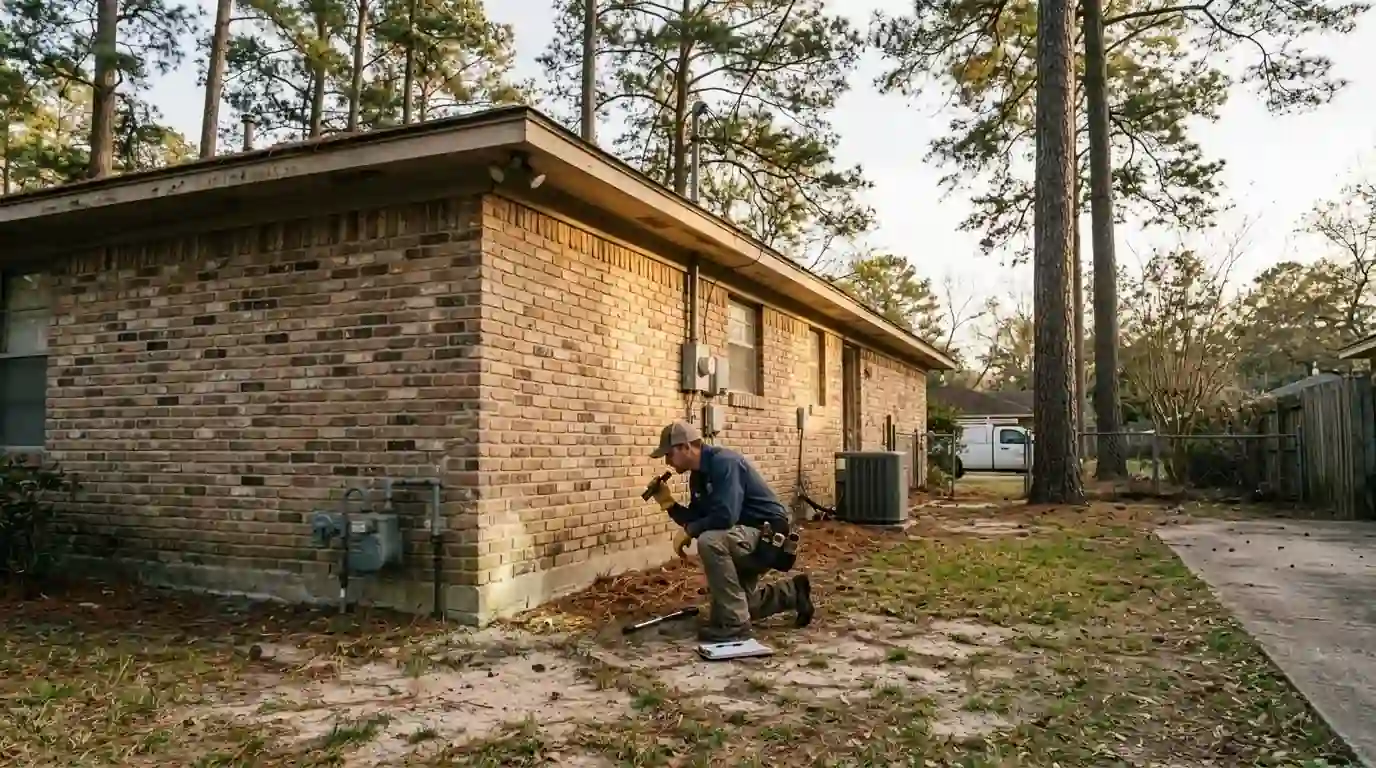
Spider control in Conroe, TX pairs physical web removal from eaves, soffits and corners with treatment of the cracks and harborages spiders hunt from, and cuts the exterior lighting prey-chain that feeds the population. Brown recluse and black widow concerns get their own inspection of the quiet zones they prefer. Published spider treatments run $100 to $300 and bundle naturally with general pest service.
How spider control actually works
Remove the webs, treat the cracks, starve the porch
Spiders are predators, so a spider problem is partly an everything-else problem: porch lights pulling in moths and midges feed the orb weavers rebuilding over your door every night. Treatment that ignores the prey chain is sweeping the tide back.
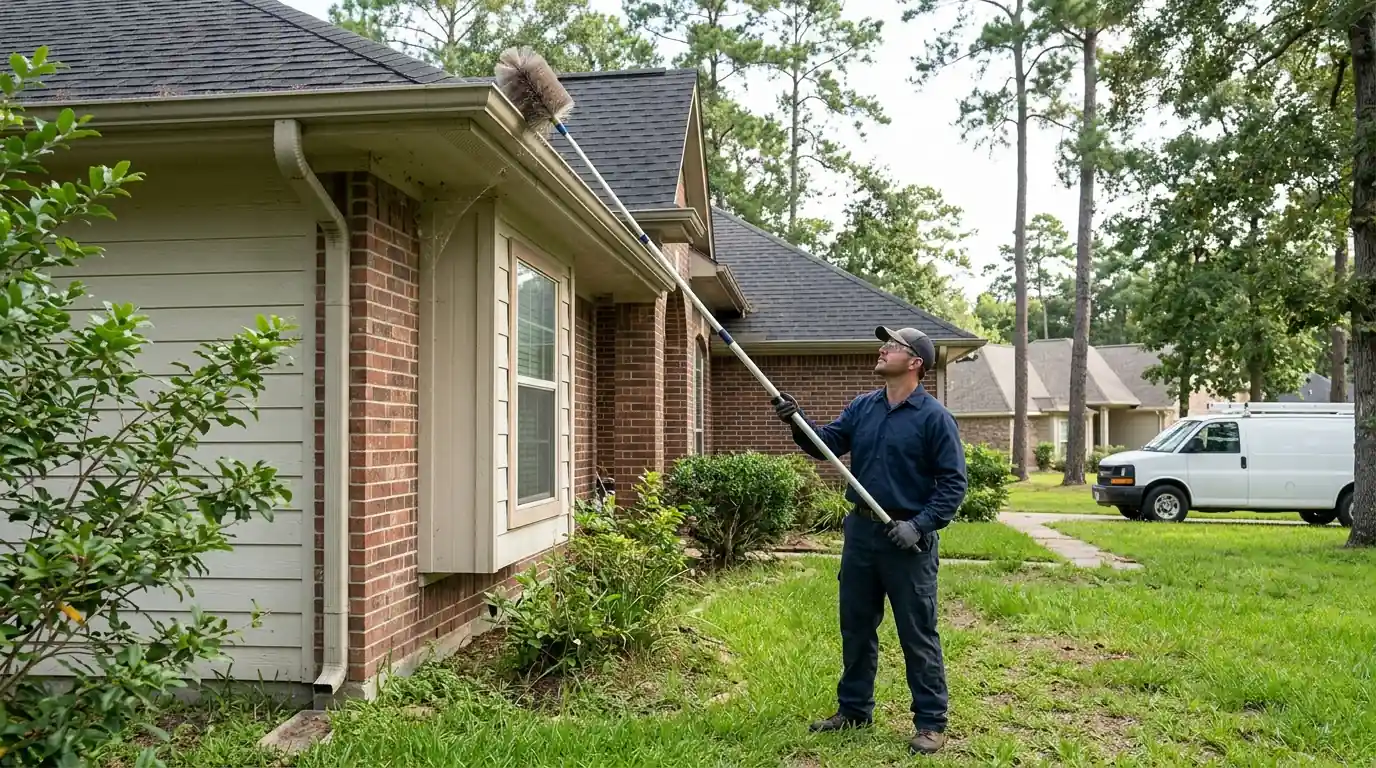
The working visit does three things: physically removes webbing and egg sacs from eaves, soffits, shutters and corners with a pole brush; treats the cracks, weep holes and voids where hunting spiders sit; and lays the general barrier that thins the insect buffet. De-webbing matters more than it sounds, because many species rebuild where silk residue tells them a site produced.
The venomous two get respect without panic. Brown recluses live in undisturbed storage, attics and closets rather than on webs in the open; black widows hold low, messy webs in garages, meter boxes and under outdoor furniture. Concern about either turns the visit into a targeted inspection of exactly those zones.
The three working parts
Brush, inspect, and dim the buffet
Web and sac removal
Every spider visit includes a full de-web of the structure: eaves, soffits, gable corners, shutters, porch ceilings and light fixtures brushed clean, egg sacs removed rather than left to hatch a hundred replacements. On heavily wooded lots this is the difference visible from the curb, and on recurring service the webbing itself becomes the scoreboard, less of it each visit means the program is winning.
Venomous spider inspections
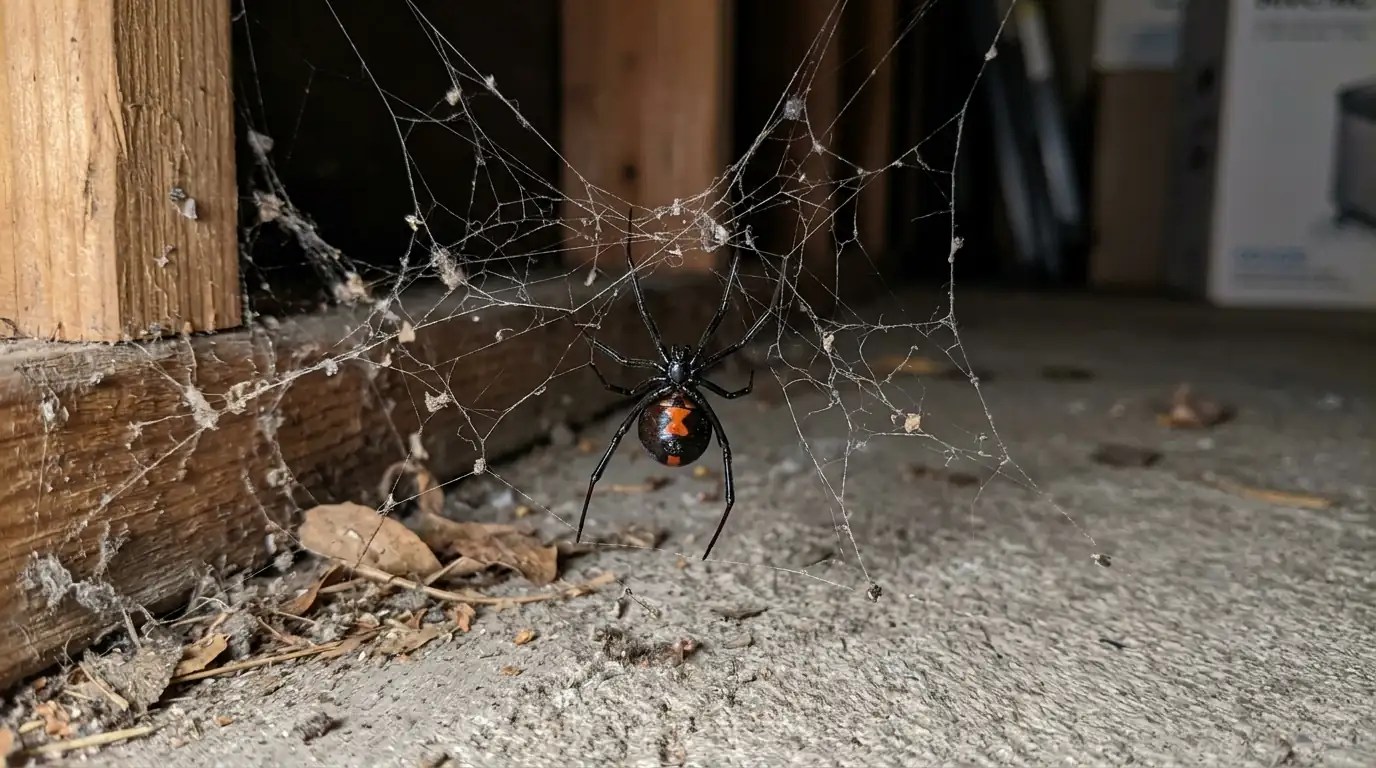
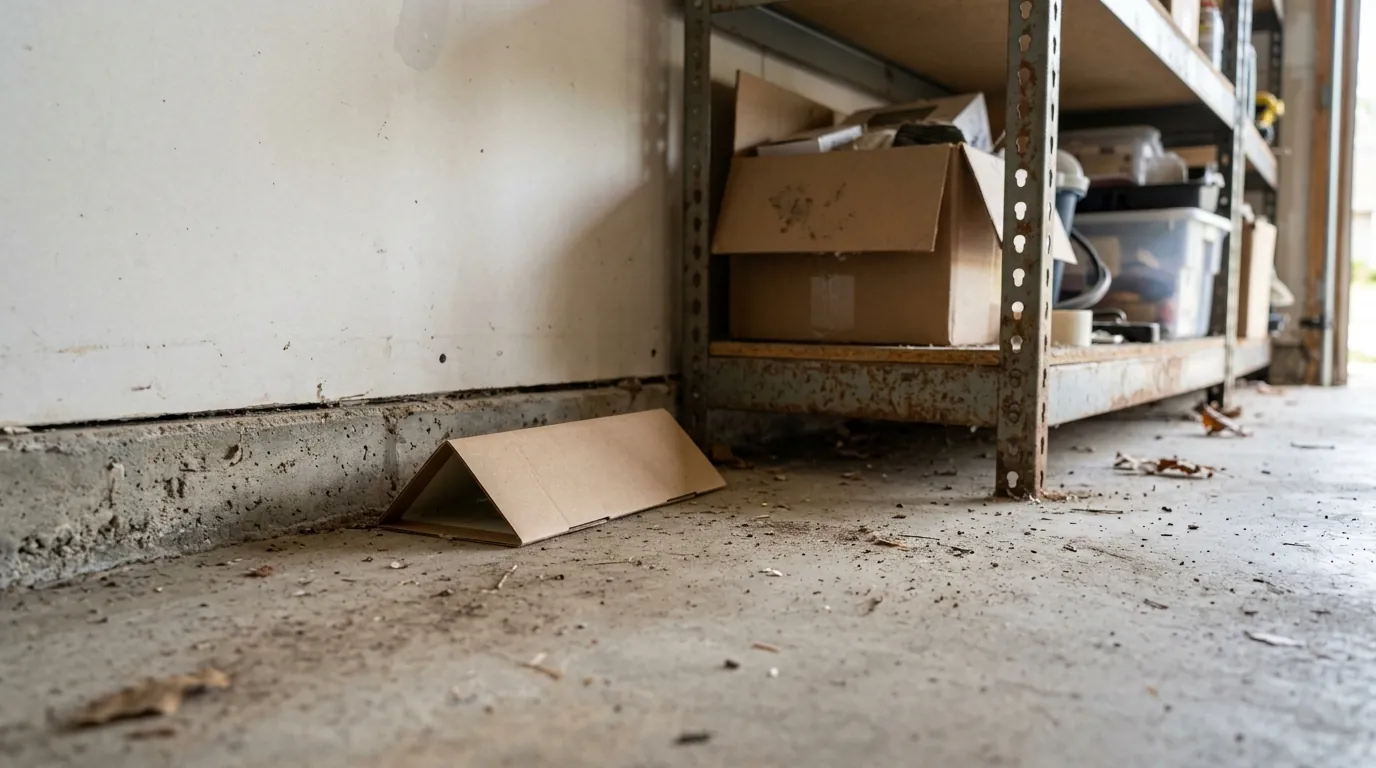
A recluse or widow concern changes the visit's geography. Recluse inspections work the undisturbed zones, storage boxes, attic edges, closet floors, garage shelving, with glue monitors placed to confirm or clear the question over the following weeks. Widow inspections work low and outside: weep screeds, meter boxes, wood piles, under patio furniture and play equipment. Finds get treated directly and the harborage conditions get named.
Lighting and prey-chain fixes
The cheapest spider control on the property is the light bulb. Bright white exterior fixtures stock the pantry every night; warm or yellow LEDs near doors cut the insect draw sharply, and moving fixture light off the wall surfaces spiders hunt drops web rebuilding with it. The visit summary names the specific fixtures worth switching, and the treatment handles the population that built up before the menu changed.
Worth a phone call when you see
What deserves a closer look
Low messy webs in the garage
Strong, tangled webbing near the floor, in corners or under shelves is classic widow architecture.
A shiny black spider, red marked
Widows hang inverted in their webs; the red hourglass sits underneath.
A plain brown spider in storage
Recluses are unremarkable, violin-marked, and found in boxes, closets and attic edges, not webs.
Bites that worsen over days
A bite that blisters, ulcerates or spreads deserves a doctor first and our inspection second.
Webbing rebuilt nightly
Fresh orb webs over doors and windows every morning mean the lighting is feeding them.
What moves the price
Spider treatment pricing, framed
A published range covers most jobs; the inspections move within it.
Published range
Spider treatments publish at $100 to $300 and are often bundled with general pest service.
Structure and eave footage
De-webbing is priced by the reachable lines; two-story gables add pole time.
Venomous inspection scope
A recluse or widow walk with monitors sits toward the range's top.
Clutter and storage volume
Packed garages and sheds take longer to inspect honestly.
Recurring de-web service
Quarterly riders keep webbing down at plan pricing rather than one-off rates.
Lot character
Heavy canopy and lake-adjacent humidity raise the baseline population.
The $100 to $300 figure is a published planning range for spider treatments, often bundled with general service; your quote follows the structure description.
On our Conroe routes
Wooded lots, real recluse pressure
Montgomery County’s wooded areas and lakefront humidity create genuine brown recluse and black widow habitat, which puts this county's spider work a notch above routine web dusting: the sheds, garages, woodpiles and leaf-litter edges that a drier suburb treats as afterthoughts are exactly the quiet, cluttered zones both species hold here. It is why our spider visits on treed Conroe lots default to including the garage and storage walk rather than treating the house perimeter and calling it covered.
How this job runs
From webbed eaves to a clear porch
- 1
Say what you are seeing
Webs, a specific spider, or a bite worry each shape the visit differently.
- 2
De-web the structure
Eaves, soffits, corners and fixtures brushed; egg sacs removed.
- 3
Treat the harborages
Cracks, weeps, voids and the low zones hunting species hold.
- 4
Inspect where it matters
Recluse and widow zones walked and monitored when the concern is raised.
- 5
Report and adjust
Findings, lighting fixes and the re-service rhythm in writing.
Asked about this job
Spider questions we hear in this county
The web-builders on porches and windows are overwhelmingly harmless and genuinely useful; they are there because the light is feeding them. Control is about numbers and placement, not danger, until a recluse or widow question enters, and then the visit changes shape accordingly.
By inspection and monitors, not by glance: lots of harmless brown spiders get the blame. We walk the undisturbed zones they actually use and set glue monitors that settle the question over a couple of weeks. Keep the specimen if you have one, squashed is fine, identification still works.
Silk residue marks a productive site, and the insects your lighting attracts keep paying rent. Brushing alone re-runs the cycle; pairing removal with crack treatment and a lighting change is what makes the de-web hold between visits.
No honest operator promises that; spiders walk across treated bands between molts and ride in on firewood and boxes. What the program delivers is sharply fewer, the venomous zones inspected and monitored, and entry gaps named so the indoor stragglers stay rare.
Widows do settle play equipment, under slides, inside tube joints, beneath seats, so it is a fair worry. We treat and de-web play structures on request, and the five-second habit worth teaching is a glance under surfaces before small hands go there each season.
Jobs that pair with this one
Related work from the same crews
Occasional Invader Control
The crawlers the same cracks admit.
Scorpion Control
The other low-zone stinger on wooded lots.
Quarterly Pest Control Plans
Standing de-web rhythm at plan pricing.
Residential Pest Control
The general barrier that thins the prey chain.
Plant the flag on it
Need a spider identified today?
Text a photo to the line, even a squashed one usually answers the recluse question, and the visit gets scoped from there.