Pest and termite control across Conroe, TX
If something is crawling, swarming, or scratching in the walls, you want it identified and treated this week, not debated. Our technicians run dedicated routes through Conroe and the surrounding counties for ants, roaches, termites, mosquitoes, rodents and wildlife.
- Phone answered 24/7, every day
- One-time visits and quarterly plans
- Homes, yards and businesses
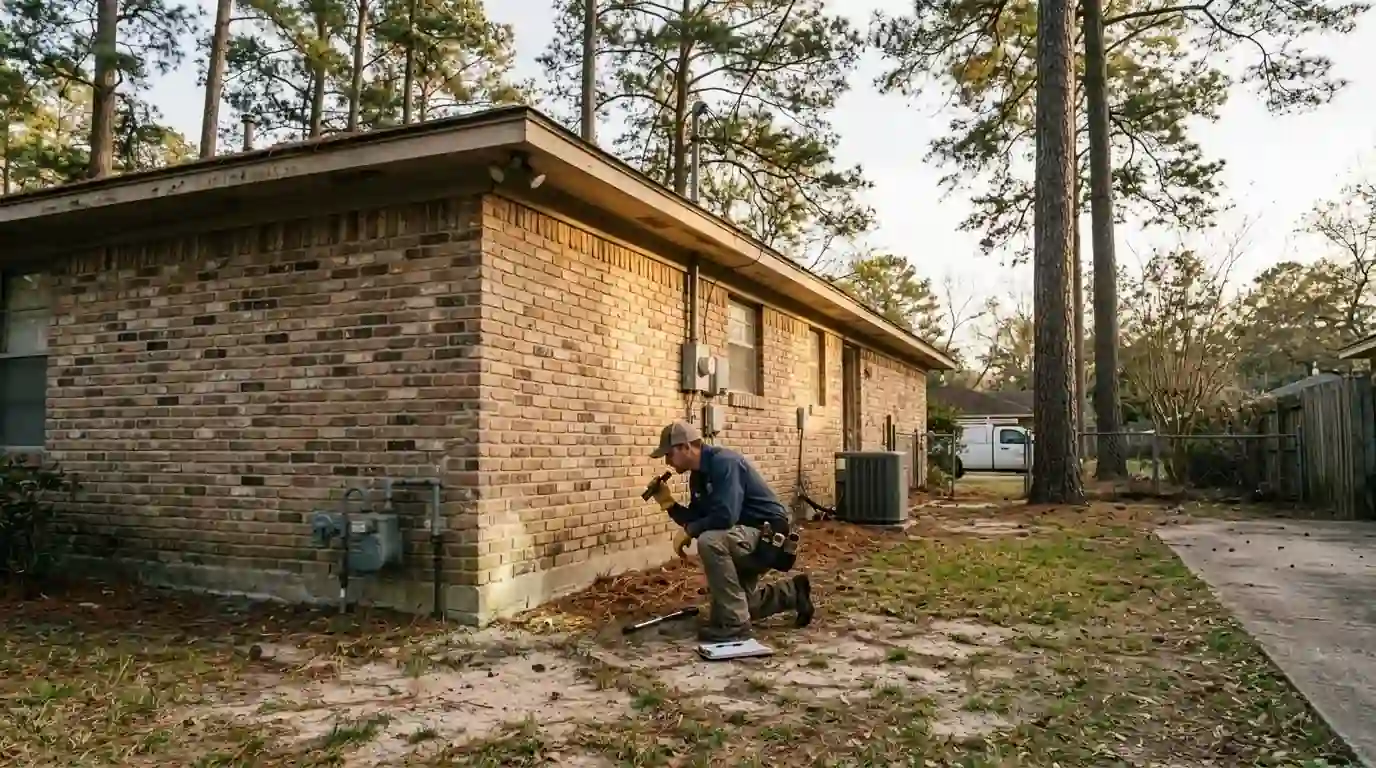
On today's route
- Perimeter and eave sweep
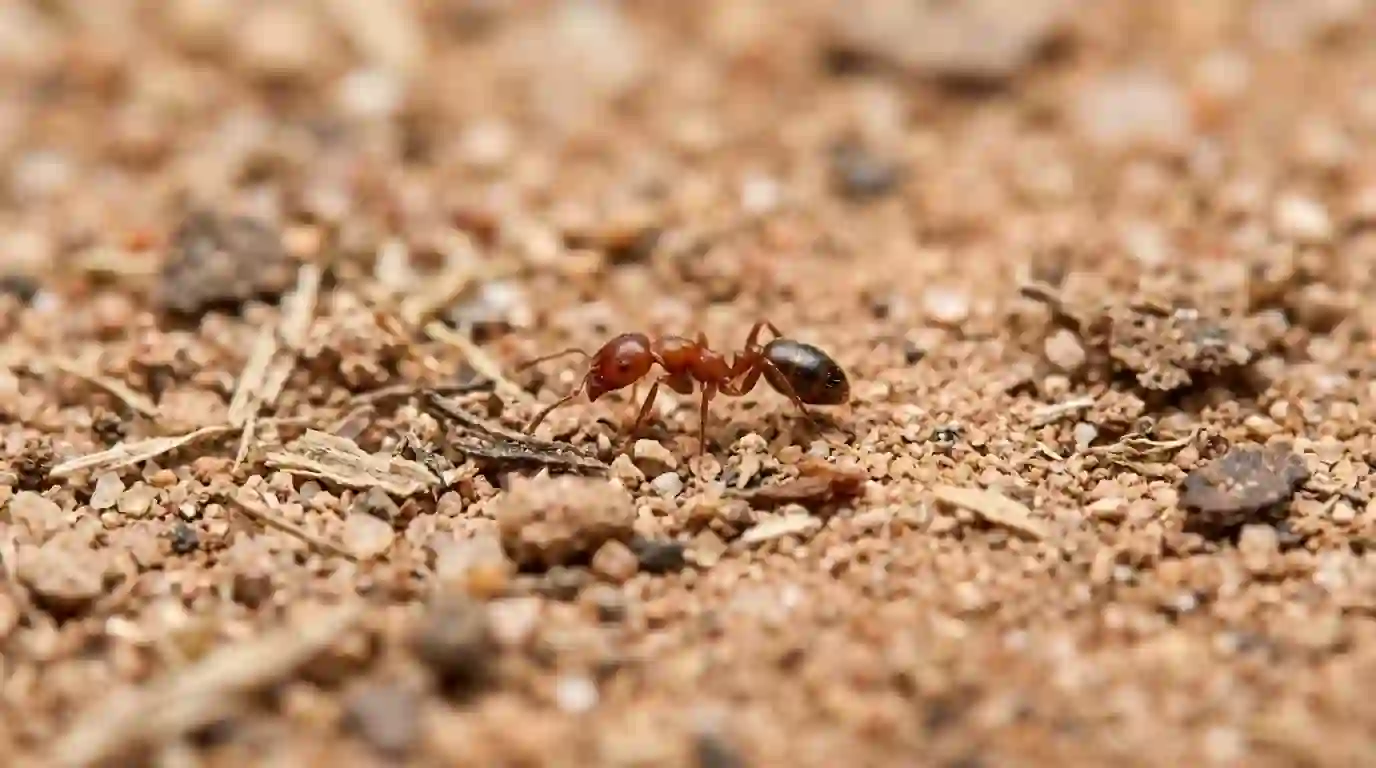
- Fire ant mound check
- Attic and garage look-over
Pest control in Conroe, TX usually starts at the foundation line: ants, roaches and scorpions follow moisture to the slab, subterranean termites tunnel up through it, and mosquitoes breed in whatever water the last storm left behind. We treat all of it, from a single knockdown visit to a quarterly route stop, and the phone is answered 24/7.
What we treat
Every job the trade actually does, on one schedule
Forty-two services across six categories, each with its own page explaining the work, the timeline and what drives the cost. Start from the category, or scan the full list.
Plans & Commercial
Recurring routes, single visits and commercial accounts, sized to the property.
Termites
Inspections, soil treatments, bait stations and the WDI paperwork a sale needs.
Ants, Roaches & Crawling Pests
The ants, roaches, spiders and scorpions that Southeast Texas never runs short of.
Stinging & Flying Insects
Nests on the eaves, swarms in the wall, and the yard you want back by evening.
Bed Bugs, Fleas & Pantry
Bed bugs, fleas and the pantry moths that arrive in a grocery bag.
Rodents & Wildlife
Trapping, seal-up work and the animals that treat your attic as winter housing.
Why Conroe bites harder
Piney Woods shade, lake water and fresh dirt
Conroe sits at the southern edge of the East Texas Piney Woods, and that canopy is not just scenery. Pine litter, mulch beds and shaded, damp soil give subterranean termites a bridge from the forest floor to sill plates, decks and fence lines, and Montgomery County carries documented Formosan colonies on top of the native ones.
The water does its part too. Neighborhoods within about half a mile of Lake Conroe see some of the county’s heaviest mosquito pressure, with a season that runs roughly March through October and peaks in early summer. And because this is Montgomery County’s fastest-growing city, every new slab poured displaces fire ant colonies, termites and rodents into the yards next door.
That mix is why Conroe Exterminator runs separate termite, mosquito and rodent routes instead of selling one generic spray, and why our techs start at the slab and the soil line rather than the baseboards.
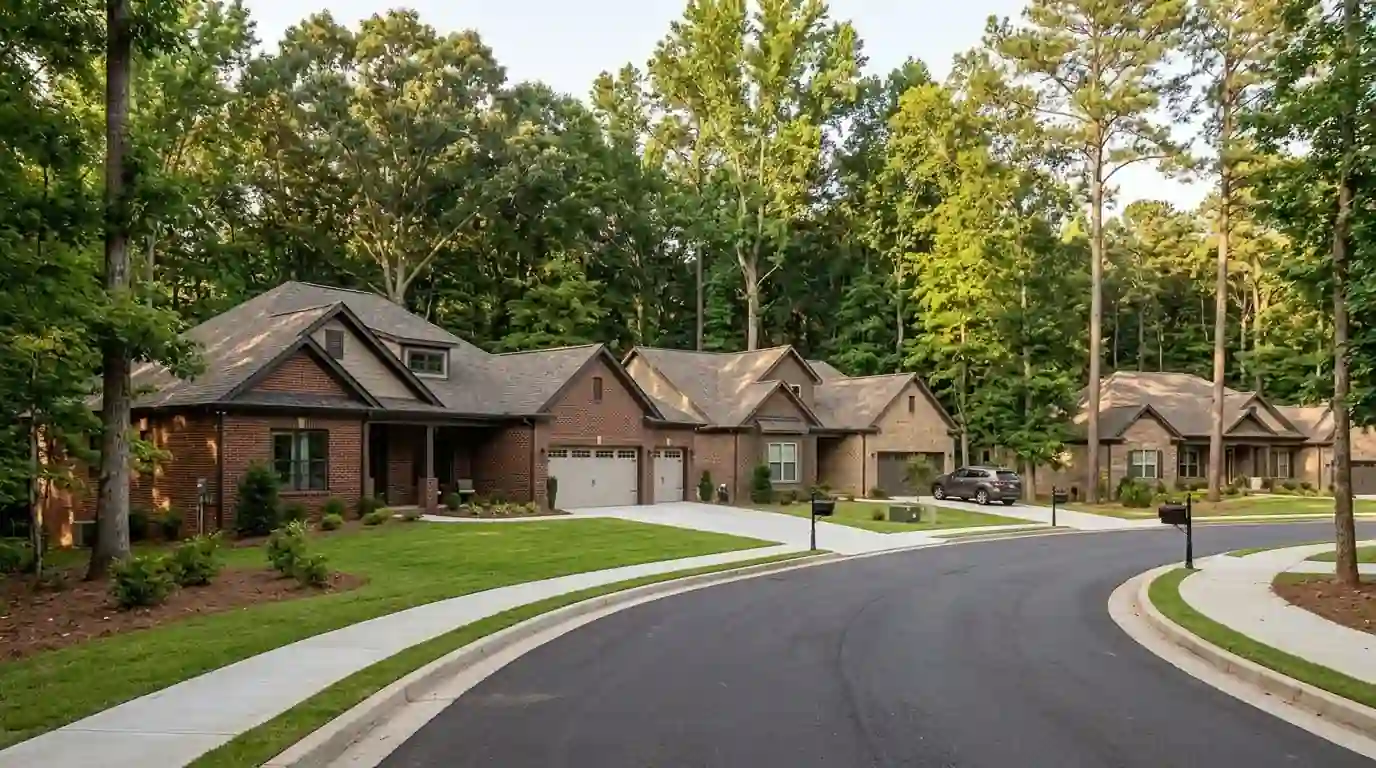
The Conroe pest year
What to expect, month by month
Pests here follow the weather. This is the calendar our routes are built around.
January
Termite inspections and rodent seal-ups while activity is low.
February
Daytime mosquitoes stir near the lake; early termite swarms can start.
March
Mosquito season opens, fire ants surge after rain, wasp queens start nests.
April
Termite swarmers at windows and carpenter bees drilling fascia.
May
Formosan swarms at dusk; monthly mosquito visits are in full swing.
June
Mosquito peak near Lake Conroe; roaches and scorpions move with the heat.
July
Peak mosquito evenings continue and yellow jacket colonies grow.
August
Wasp and yellow jacket nests at their largest; second fire ant baiting.
September
Storm weeks push roaches and millipedes indoors; late termite check.
October
Mosquito season winds down; seal the house before the first cool snap.
November
Roof rats and mice head for attics and garages.
December
Bed bug checks after holiday travel; a quiet month for inspections.
One visit or a standing route
Two honest ways to buy pest control
Texas market ranges, so you know the ballpark before anyone rings your doorbell. Your price depends on the home’s size, the pest and the level of activity, and we talk it through on the phone first.
A single knockdown for an active problem: wasp nest, flea cycle, roach flush, pre-move-in spray. Across Texas these typically run $150 to $350 for a general visit, with pest-specific jobs priced by the work.
$150 to $350 typicalFour scheduled exterior visits a year with re-service in between if anything comes back. Texas quarterly stops commonly land between $100 and $300 per visit, and it is the plan most wooded-lot homes end up on.
$100 to $300 per visitRanges are regional planning figures from published 2026 Texas pricing guides, not a quote; termite work is bid separately after an inspection.
How a visit runs
Five flags from first ring to all clear
- 1
Call, any hour
A person answers, takes the pest, the address and what you have seen, and books the visit.
- 2
Walk and identify
The tech works the foundation line, attic or yard until the pest and its entry are named.
- 3
Treat the source
Baits, barriers, dusts or traps go where the activity actually is, not just where it is visible.
- 4
Seal and prevent
Entry gaps, harborage and the conditions feeding the problem get called out or closed.
- 5
Flag it done
You get what was treated, what to expect over the next days, and when to call us back.
Why homeowners keep the number
Built like a local route company, because that is what this is
Routes, not one-offs
Our trucks already work Conroe streets every week, so a route stop usually folds into the next day or two instead of next month.
A phone that gets picked up
Nights, weekends, Sunday morning wasp panic: the line is answered 24/7 and a person books the visit.
The whole catalog, one crew
Termite soil work, bed bug heat, raccoon trapping and quarterly sprays all come from the same company, so nothing gets handed around.
Straight talk on cost
We quote from the work in front of us and explain the drivers, and our pages publish the regional market ranges up front.
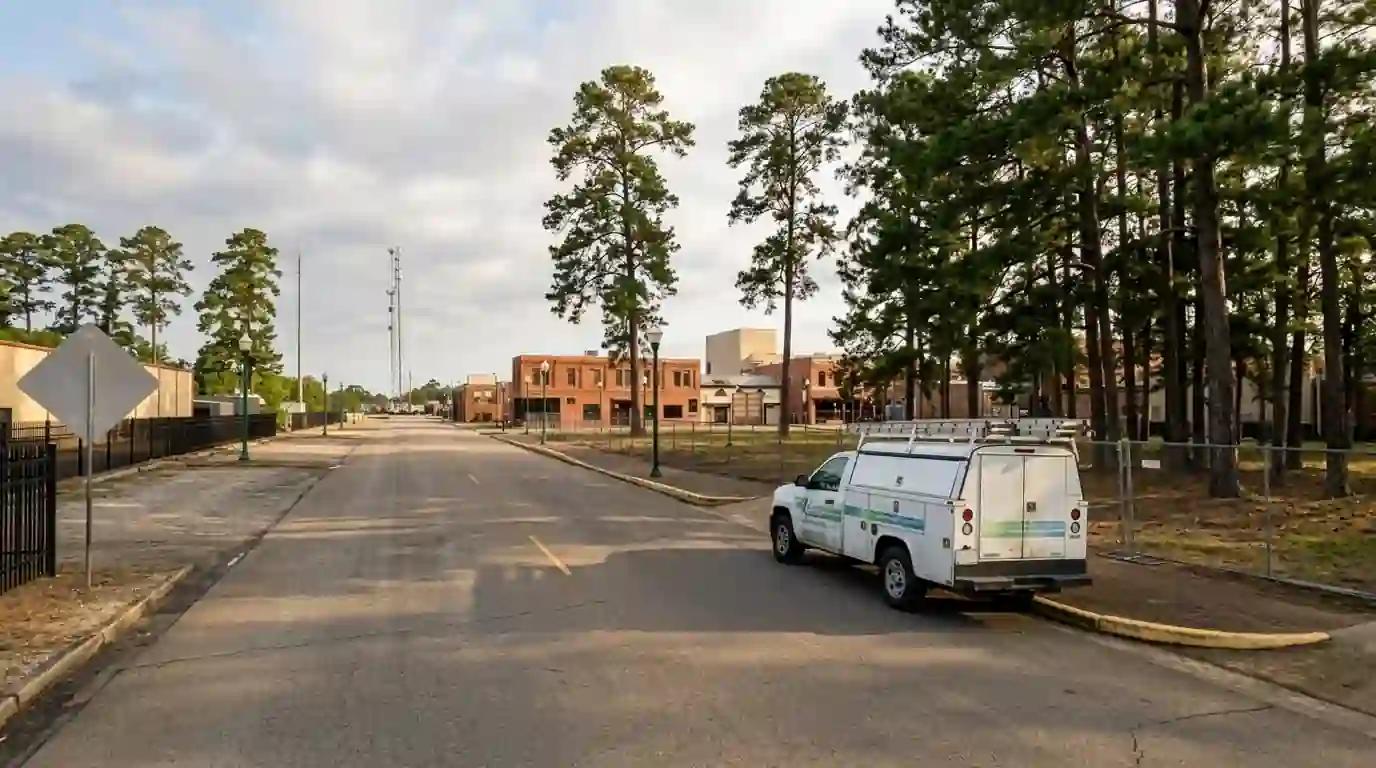
From lake docks to brand-new slabs
Waterfront mosquito pressure and fresh-construction fire ants are different jobs. We run both.
Call (281) 626-0856From our pest tips
Reading on the pests this county grows
Written for Conroe homeowners by our guides editor. Browse all the pest tips.
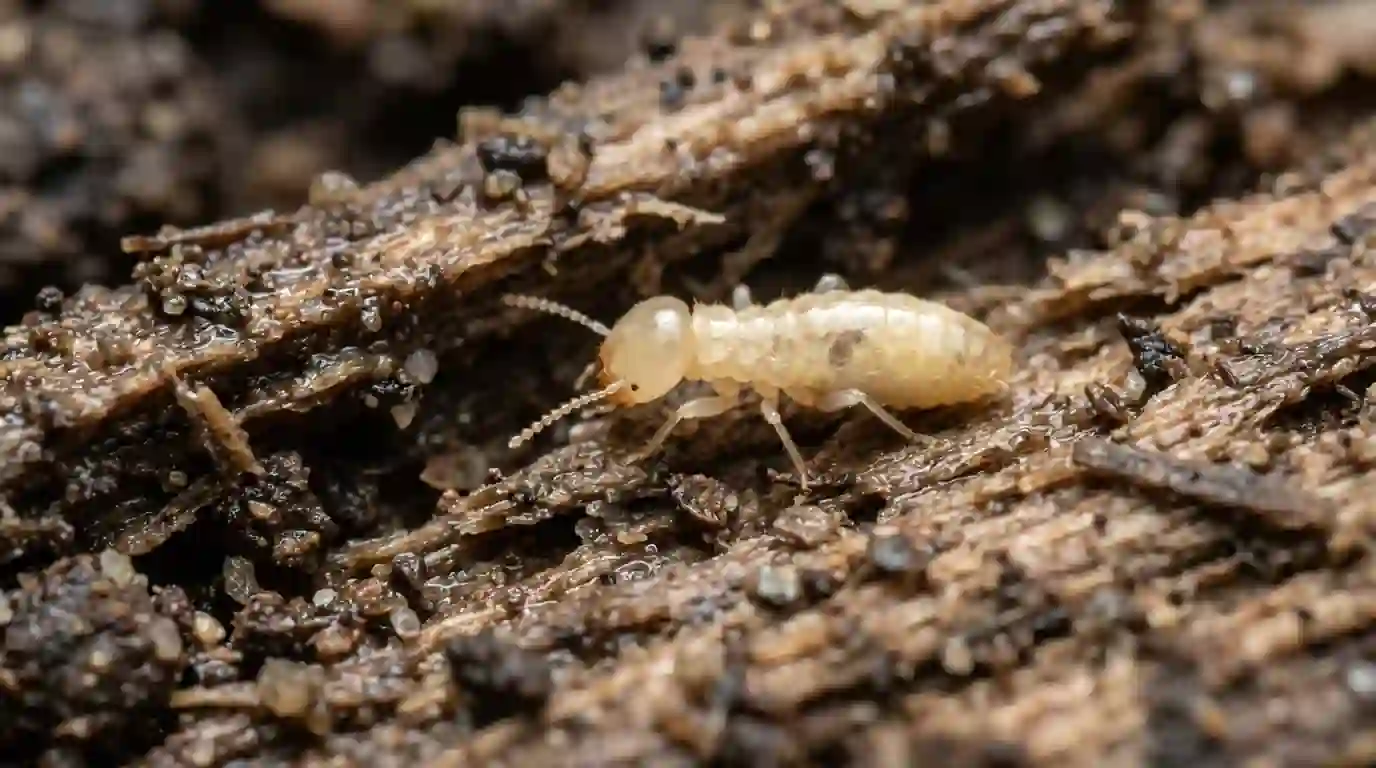
Where the trucks go
Montgomery County first, then the counties around it
Routes anchor on Conroe and spread through Montgomery County, with standing coverage into the neighboring counties and the bigger towns between them. The coverage pages spell out how each area gets scheduled, and anything past the edge of the map is a quick phone question.
Asked from Conroe numbers
Questions we answer on this phone line
Usually, yes. Shaded, damp lots at the edge of the Piney Woods reload with ants, roaches and spiders every season, and spring brings the fire ant and mosquito surge. Four scheduled exterior visits a year, with free re-service between them, costs less than reacting to two separate infestations and keeps the perimeter barrier unbroken.
The line is answered 24/7 and we book against the day's routes. Because our trucks already work Conroe and the surrounding towns daily, most calls fold into a route stop within a day or two, and active stinging or rodent problems get moved to the front.
For most general treatments, no; products go into cracks, voids and the exterior perimeter, and the tech will tell you exactly which rooms to keep kids and pets out of and for how long. Jobs like bed bug heat or a German roach clean-out come with specific prep and re-entry instructions before we start.
Look at the waist and the wings: termite swarmers have straight waists and two equal wing pairs, ants are pinched with unequal wings. In this county, either is worth a call, because carpenter ants and three termite types, including Formosan, are all active here. We identify it on-site before any treatment is proposed.
Both. Wildlife runs as its own service line: trapping for raccoons and opossums, one-way doors for squirrels, snake removal, and the exclusion and attic cleanup work that stops the next animal from moving in through the same gap.
The colonies were always there; rain pushes them up out of saturated soil, so mounds appear overnight across lawns and beds. Mound-by-mound sprays just move them. We pair broadcast baiting with direct mound treatment so the colony, not the dirt pile, is what dies.
Plant the flag on it
Tell us what you saw. We will take it from there.
Describe the trail, the mound, the scratching or the swarm, and we will book the right technician, the first time.