Updated October 2026 · Reviewed for current Texas market ranges
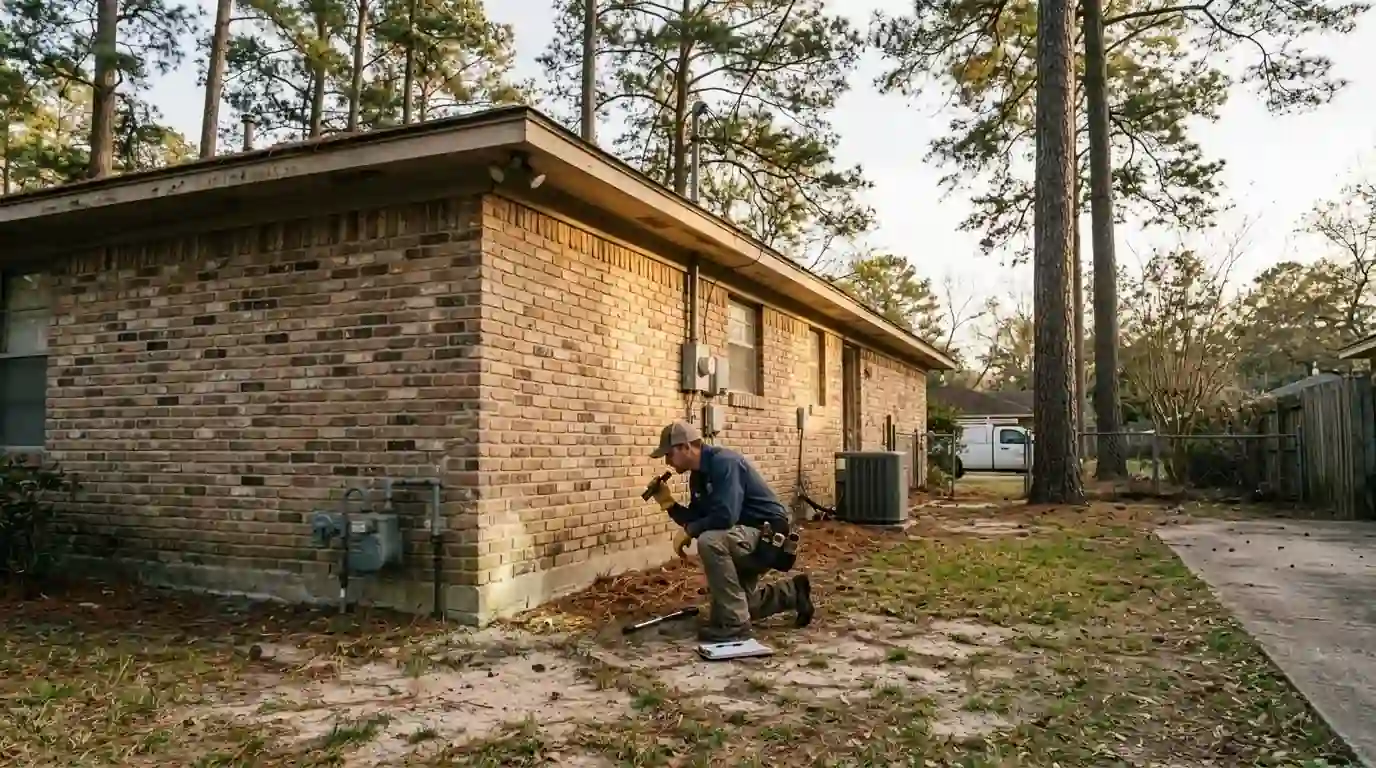
Bat exclusion in Conroe, TX removes a colony without harming it: the entry points are found by watching the dusk exit, one-way devices let bats fly out but not back in, every other gap is sealed, and once the attic is confirmed empty the main entry is sealed too. Work is timed outside the summer pup season, when young bats that cannot fly yet are in the roost, and guano is cleaned up afterward.
How humane bat removal works
Let them out, keep them out
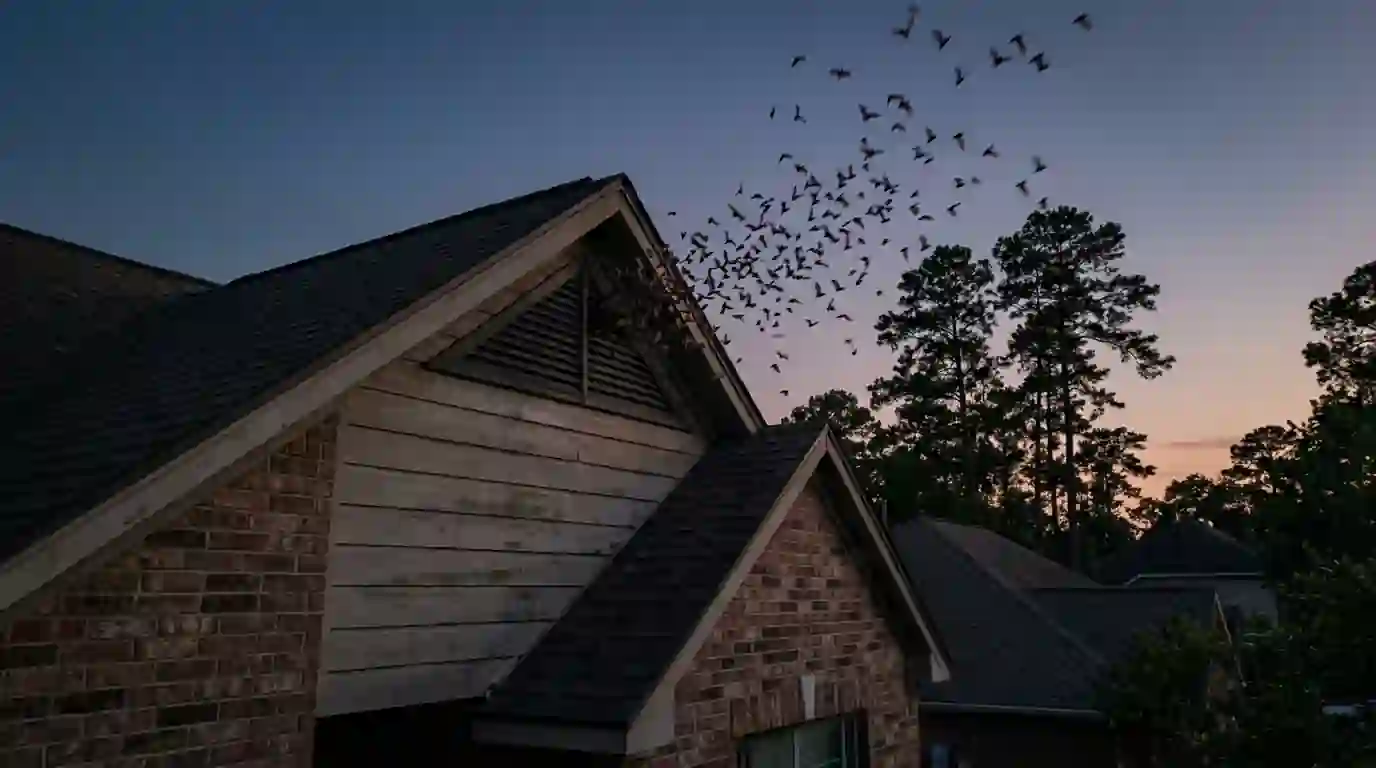
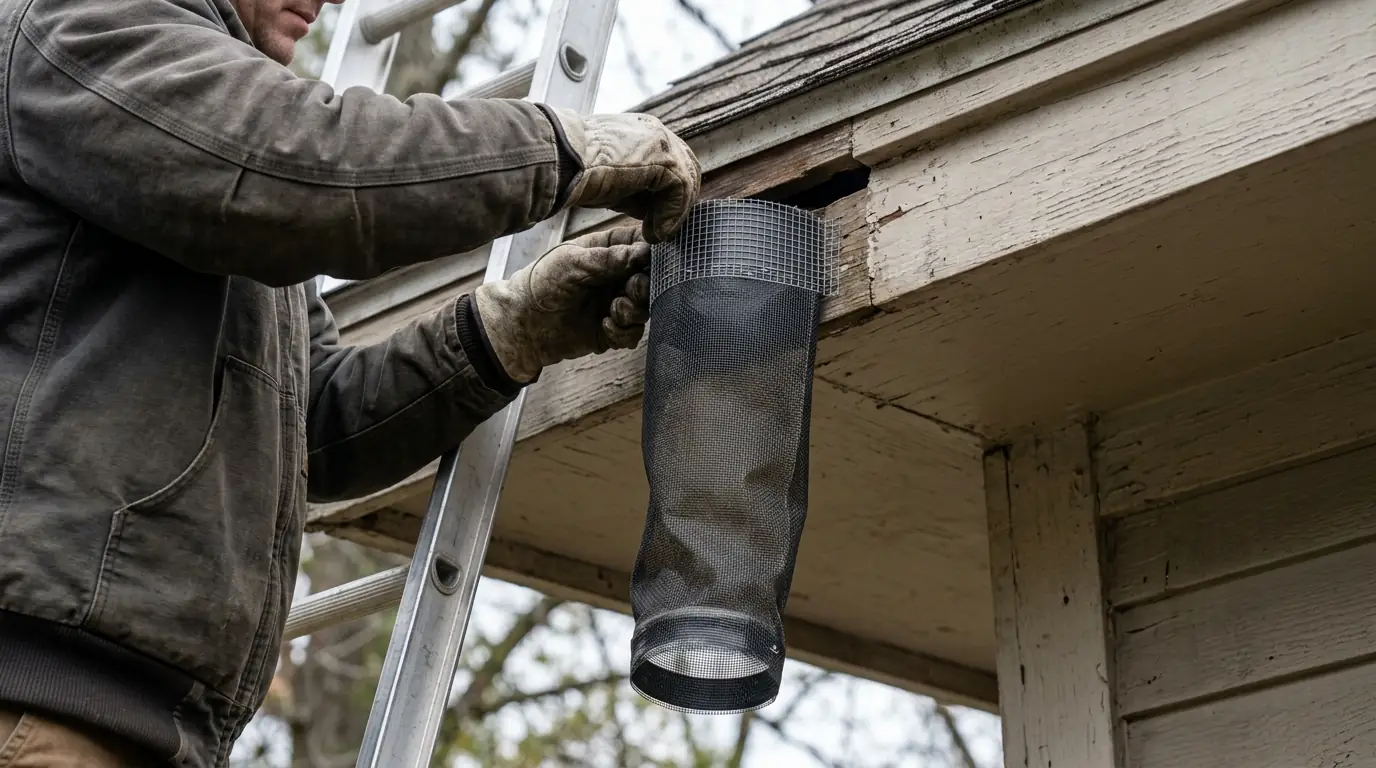
Bats roost in attics, wall voids, behind shutters and in gaps at the roofline, and they leave every evening to feed on insects. Exclusion uses that habit: one-way tubes or netting over the active entries let bats drop out at dusk and stop them coming back.
Timing matters. In summer, colonies raise pups that cannot fly for several weeks. Excluding the adults then would trap the young inside, where they die and create odor problems. Exclusion is scheduled in spring before pups are born or in late summer and fall after they can fly.
Bats are beneficial and are never poisoned or killed in this work. Sealing comes last, after the house is confirmed empty.
Choosing between the options
Why exclusion beats the alternatives
Humane, permanent once the house is sealed, and timed outside the pup season.
Standard methodTrapping bats inside causes dead bats, odor and bats entering living space.
Never usedLittle evidence they work long-term; exclusion is still needed.
Not recommendedHow the job runs
Exclusion, timing and cleanup
One-way exclusion
The inspection starts at dusk, watching where bats exit, and continues on the roofline to find stained gaps, gaps at the fascia and gable vents, and openings around chimney flashing. One-way devices go on the active exits; every other gap is sealed the same visit. The devices stay up for about a week, then the attic is checked for any remaining activity before the main entries are sealed.
Seasonal timing
Exclusion is planned around the pup season. If you call in summer, we confirm the colony, seal any gaps that lead into the living space so bats cannot get into rooms, and schedule the exclusion for after the young can fly. That keeps the work humane and avoids leaving dead young in the attic. The schedule is explained on the first visit so you know exactly when the colony will be out.
Guano cleanup
Bat colonies leave guano on insulation, attic floors and below exits. Once the bats are out, droppings are removed with protective equipment, contaminated insulation is replaced where needed, and the area is sanitized. Guano can carry fungal spores, so it should not be swept up dry. Our attic cleanup service handles larger jobs. Exits below the roofline are washed so staining does not keep drawing attention to the old entry.
Worth a phone call when you see
Signs bats are roosting
Squeaking at dusk
High-pitched chatter in the attic or walls around sunset.
Droppings on the drive or sills
Small dark droppings that crumble to powder under a gap.
Stains at the roofline
Dark greasy marks around a gap where bats squeeze in.
A bat in the house
Keep the room closed and call; do not handle it bare-handed.
Ammonia smell
A strong smell in the attic means guano has built up.
What moves the price
What bat exclusion costs turn on
Price follows the number of entries and the cleanup needed.
Number of entry points
One gable vent versus gaps along the whole roofline.
Roof height and pitch
Steep or two-story roofs need more equipment.
Colony size
Large colonies leave more guano to clean.
Sealing materials
Screens, flashing and sealant matched to each gap.
Guano cleanup
Removal and insulation replacement are quoted separately.
Season
Summer calls may need a protective seal now and exclusion later.
Bat exclusion is quoted after the dusk inspection, since entry count and cleanup decide the price.
On our Conroe routes
Rooflines that invite bats
Many Conroe homes have the features bats look for: gable vents, loose fascia boards, gaps where roof returns meet second-story walls, and warm attics that hold steady temperatures through the summer. Older homes and houses near the tree line see the most activity. Bats also do Conroe homeowners a favor by eating huge numbers of night-flying insects, which is why the goal is to move them out of the house, not to harm them.
How this job runs
From dusk watch to a sealed roof
- 1
Confirm it is bats
Squeaking, droppings and staining are checked.
- 2
Watch the exit
Dusk inspection shows the active entries.
- 3
Install one-way exits
Bats leave and cannot return.
- 4
Seal the house
All gaps closed once the colony is out.
- 5
Clean the attic
Guano removed and the area sanitized.
Asked about this job
Bat questions
Bats themselves rarely cause trouble, but guano builds up and a few bats can find their way into living space. Exclusion and cleanup solve both.
Close the room, keep pets out and call us. If anyone may have been bitten or a bat was found near someone sleeping, contact your doctor or the local health department.
Young bats cannot fly for several weeks in summer. Excluding the adults then traps the pups inside, so exclusion is scheduled before or after the pup season.
Not once every entry is sealed. They may look for a nearby roost, which is why we sometimes suggest a bat house in the yard.
No. Exclusion lets them leave on their own and keeps them out.
Related guide: Noises in the Attic: Roof Rats in Conroe Homes
Jobs that pair with this one
Related work from the same crews
Rodent Exclusion & Proofing
The same roofline sealing work.
Attic Cleanup & Sanitation
Guano and insulation cleanup.
Raccoon Removal
Larger animals in the attic.
Squirrel Removal
The daytime attic climbers.
Plant the flag on it
Hearing squeaks at dusk?
Call and we will schedule a dusk inspection to find where they get in.